
Patient education is a fundamental part of the physical therapy recovery process. Understanding the core aspects of your treatment and how everyday activities affect your wellbeing can make a significant difference in the speed and effectiveness of your recovery.
At our physical therapy clinic, we’re committed to providing comprehensive education that empowers our patients and their families.
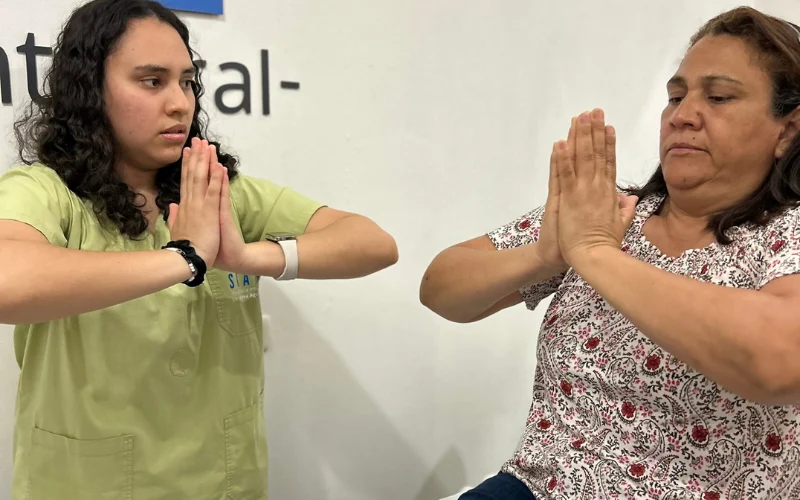
Good patient education promotes a more efficient, sustainable recovery. By understanding their condition and the treatments they receive — such as therapeutic exercise, electrotherapy, and therapeutic massage, patients can actively participate in their own recovery process, adopting practices that support improvement and avoiding those that could delay it.
We cover a wide range of topics, including:
We offer a variety of educational resources, such as explanatory videos and specialized articles, all designed to complement the education provided during your appointment and support learning at home.
Prevention strategies are essential for minimizing the risk of future injuries. We educate our patients on how to make positive, evidence-based lifestyle changes tailored to their individual needs.
Our commitment to patients doesn’t end when they leave the clinic. We offer ongoing follow-up and support to ensure the knowledge gained is retained and correctly applied in daily life.
Patient education not only benefits short-term recovery but also promotes a better long-term quality of life. Educated patients have a lower risk of future injuries and, overall, experience a faster, more lasting recovery.
Contact us today via WhatsApp or email for more information about physical therapy or to schedule an appointment. We’re ready to support you throughout your recovery process.
At SKÁL, your recovery starts with knowledge. We’re here to educate, guide, and support you.
Educating a patient means providing information about their medical condition and treatment so they can make informed decisions about their health.
The goals of patient education are to improve the patient's understanding of their medical condition and treatment, encourage their active participation in the recovery process, and prevent future complications.
Health education involves providing knowledge and skills that enable people to adopt healthy behaviors and promote their physical, mental, and emotional wellbeing.